Build + Integrate
Supplier + data change
HANDOFF



SYSTEM OF SYSTEMS INFRASTRUCTURE
Independent systems were never designed to share one identity, one authority model, or one understanding of the mission. XRDNA provides the infrastructure that lets them operate as one—without forcing them into one stack.
Connecting systems is not the same as creating a System of Systems.
THE CROSS-BOUNDARY PROBLEM
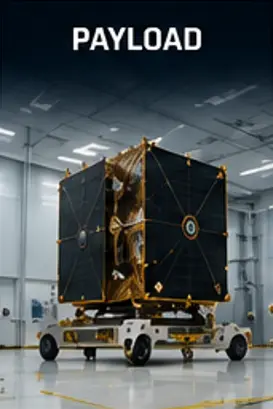
Every handoff changes something: provider, interface, data model, authority, custody, or operating environment. The seam—not the individual capability—is where mission continuity breaks.

Supplier + data change

Environment change
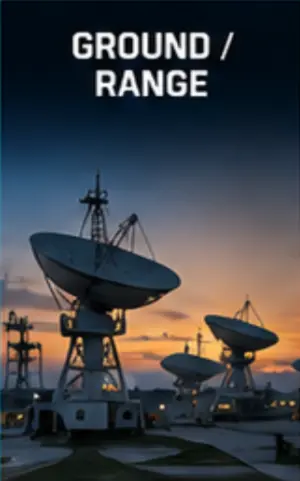
System change
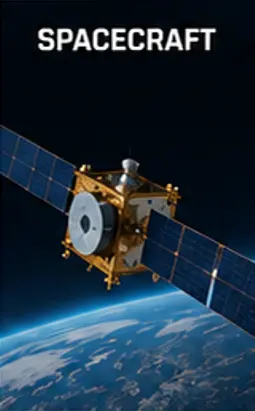
Authority change
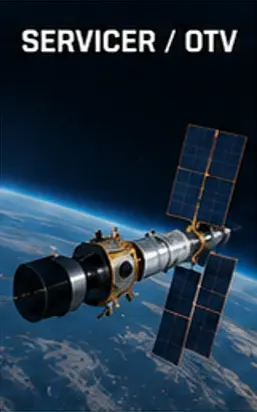
Provider change
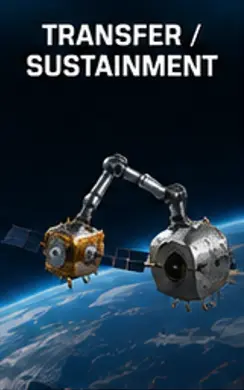
Custody change

Objective change
A cross-boundary problem cannot be fully solved from inside one boundary.
INTEGRATION VS. CONTINUITY
Remove or replace one system and the mission must be reconciled again.
Swap the capability. Mission context remains stable and resolvable.
Authoritative data stays authoritative. Mission context travels with the mission.
THE THREE PRIMITIVES
eVa and SoI establish stable identity and contextual authority. Mission Fabric uses both to preserve and orchestrate the mission as systems, providers, and operating conditions change.


Know what it is—across physical, digital, simulated, and autonomous representations.
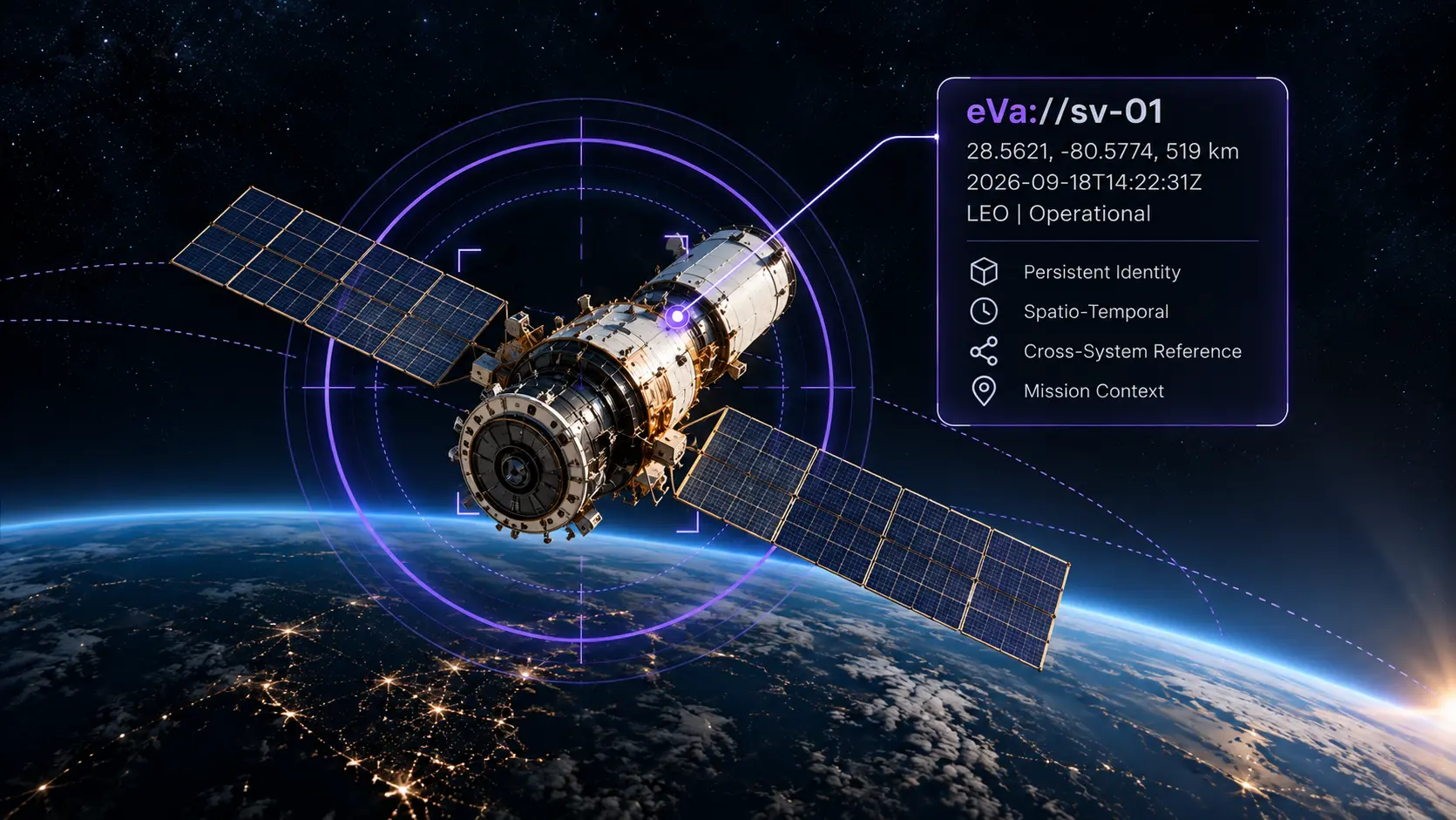 PHYSICALDIGITAL TWINSIMULATION

Know who or what may act—and under which mission, policy, time, and operational conditions.
 T−00:15 · LAUNCH AUTHORITYON ORBIT · MISSION OPS

Keep assets, systems, providers, data, workflows, operators, and AI agents connected as one mission.
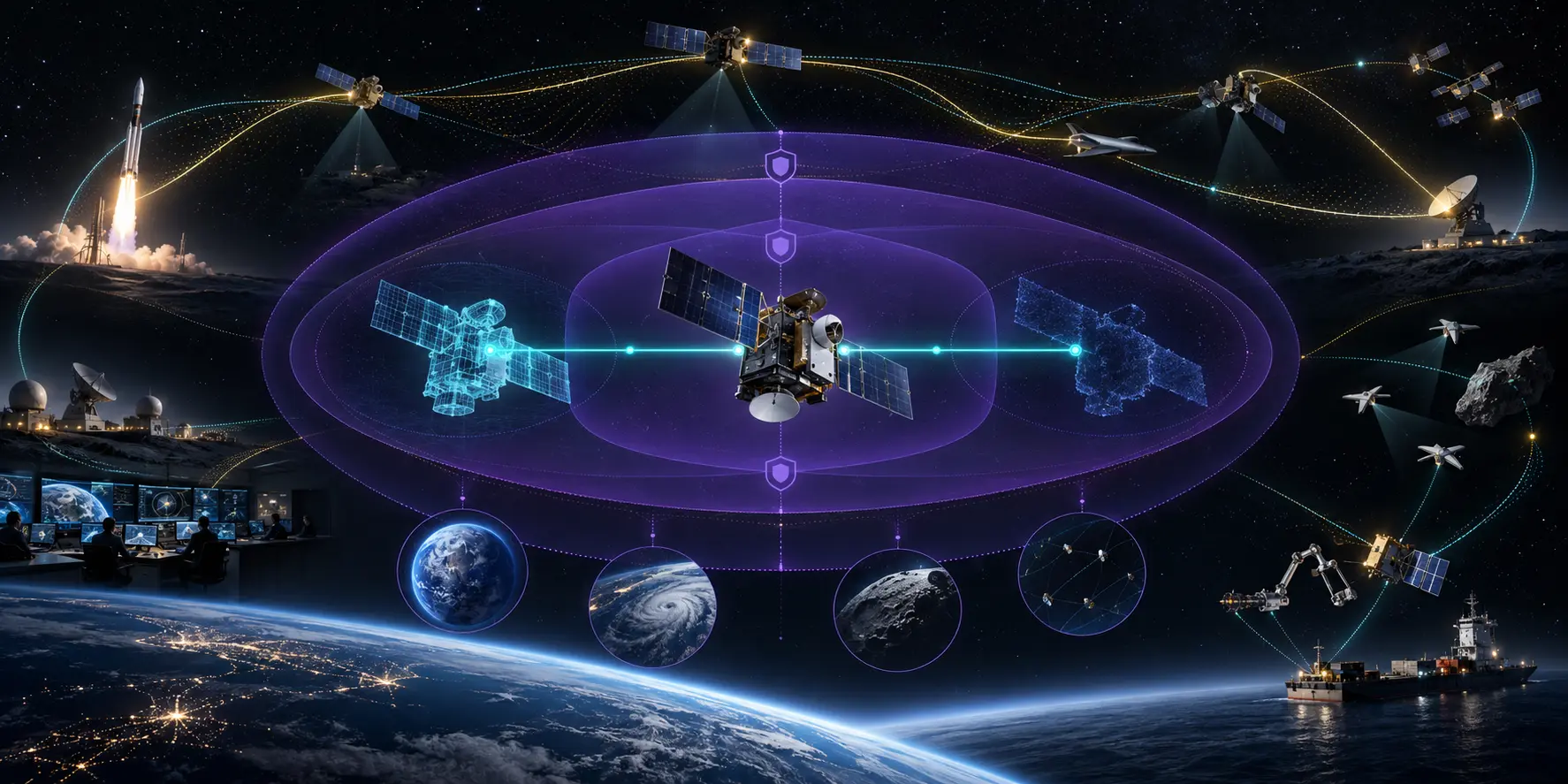 eVa™ · IDENTITYSoI™ · AUTHORITYMISSION FABRIC™ · ORCHESTRATION
REFERENCE ARCHITECTURE
XRDNA does not require every participant to adopt one provider, database, standard, or common data model. Each system remains autonomous and authoritative for what it owns.
THE ARCHITECTURAL TEST
A provider, interface, or data source will change. The real test is whether identity, state, relationships, authority, and provenance survive that change.
CAPABILITY STACK
LP-A-3491LIVETRK-B-93287LIVETEL-C-0482LIVESRV-D-3110LIVEPAYLOAD-017
eva://SML/PLD-017@MISSION:V042MISSION CONTINUITY
Run the architectural test: change a capability without rebuilding the mission.

THE OPERATING PRINCIPLE
XRDNA makes mission context a property of the mission.
DEPLOYMENT PATH
No enterprise transformation program. Start inside the environment that exists and expand as value is proven.
Two systems
Handoff
Providers
Mission threads
Systems
THE HARD QUESTIONS
The distinction is precise: Mission Fabric does not replace the ecosystem. It gives the mission continuity across it.
No. Integration moves information between systems. Mission Fabric preserves the operational meaning—identity, state, relationships, authority, and provenance—as those systems change.
No. Source systems remain authoritative for the data they own. Mission Fabric preserves the context and provenance needed to understand and use those records together.
eVa establishes that both systems refer to the same entity. Mission Fabric preserves each assertion and its provenance. SoI supplies the authority and policy context needed to determine which assertion governs.
Mission identity cannot depend on one centralized lookup. eVa can resolve at the edge so identity and essential context remain usable during degraded operations, then reconnect to the broader fabric.
WHY XRDNA
XRDNA provides the identity, authority, and orchestration infrastructure that enables independent systems to function as a coherent mission.
Contact Us