

Simulation Operating System
A unified platform for building, composing, and executing distributed simulations across physical, digital, and operational systems. Orchestrate federations of models, digital twins, and live data through HLA-managed synchronization — where every participant, lock group, and state transition resolves to an eVa address.
Modern systems are too complex for isolated models. Energy, logistics, infrastructure, and economies are deeply interconnected.
Build unified digital representations of complex systems
Test scenarios before they happen in the real world
Analyze cascading effects across domains
Generate AI-powered recommendations from outcomes
Architecture
Sim-OS is built as a layered stack designed for interoperability, scalability, and governance.
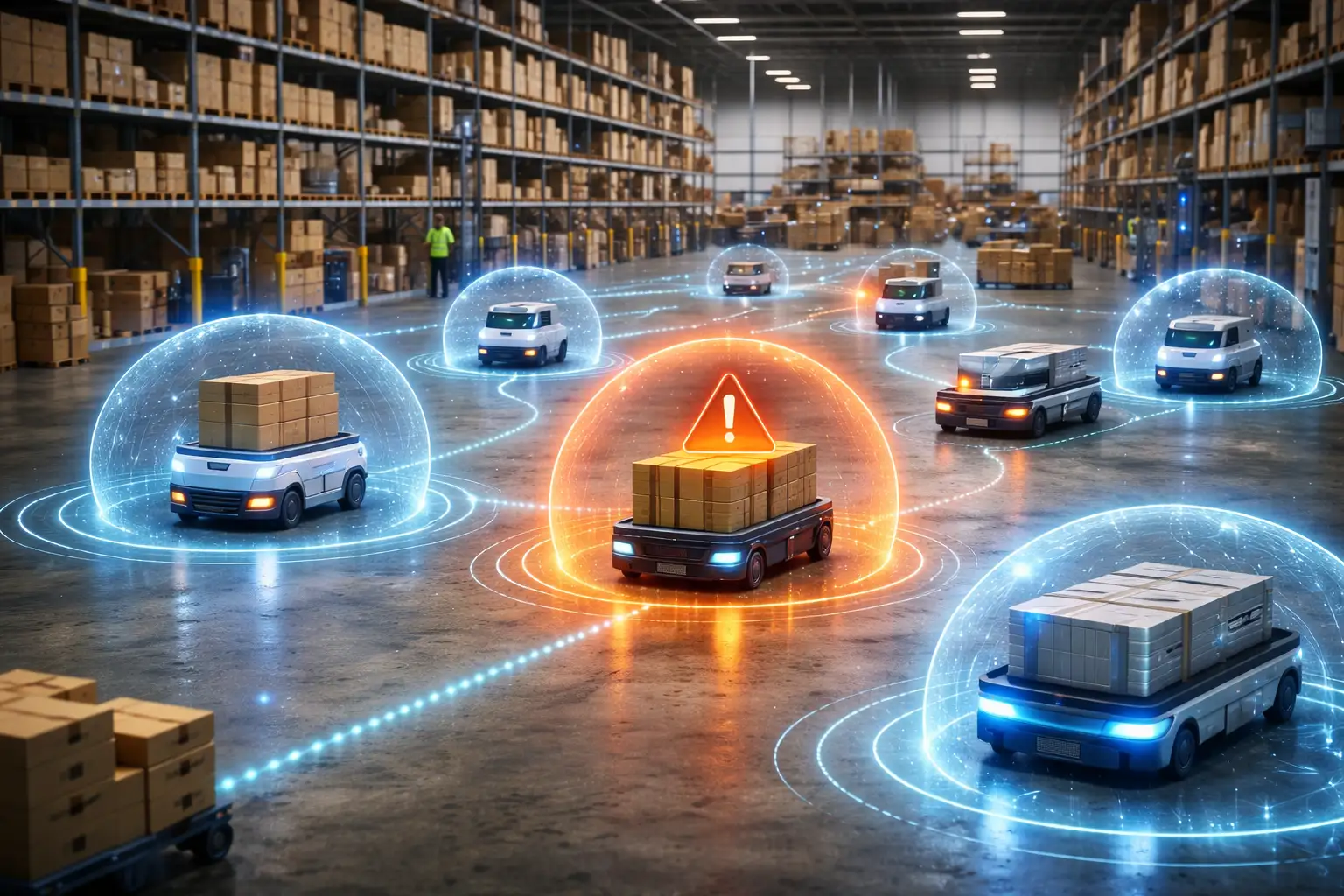
The Foundation
Every simulation in Sim-OS is grounded by eVa (Elastic Vector Address) — the 5-dimensional coordinate system that binds models to precise locations, moments, and semantic realities.
Traditional simulation engines treat location, time, and context as separate concerns. eVa unifies them into a single, resolvable address — making every model spatially and temporally aware.
eva://<XYZ>@<FrameID>/<T>@<TimeAuthority>/<Plane>Example: A forklift in a warehouse simulation:
eva://47.6062,-122.3321,15.2@WGS84/2025-03-06T14:30:00Z@GPS/SIMULATIONKey Insight: The same XYZ coordinate can represent physical reality, a planned operation, or a simulation — distinguished only by the Plane dimension.
Three Degrees of Freedom
Coordinates are frame-agnostic until bound to a reference frame.
Timestamp + Clock Source
Time is always bound to an authority. Different clocks define different realities.
Semantic Reality Layer
Defines what kind of reality or meaning. Separates simulated from physical.
When you compose a simulation in Sim-OS, every model, asset, and data stream is automatically bound to an eVa address. This enables:
Simulation Address Example
This address uniquely identifies a point in a logistics simulation, separate from the physical warehouse at the same XYZ.
Components
Key building blocks that enable simulation at scale.
MoE
Spatial search engine and natural language interface for model discovery
SoI
Policy boundaries ensuring models operate within defined authority domains
Model Ontology
Semantic classification by paradigm: physics, agent-based, ML, stochastic
Model Library
Central repository with versioning, metadata indexing, and AI synthesis
Model Mesh
Connects models through standardized interfaces and automatic adapters
Simulation Kernel
Core execution engine with deterministic scheduling and monitoring
HLA Manager
Orchestrates distributed federations via RTI with time advance protocols and eVa-journaled events
Lock Groups
Enforces deterministic state ownership across federates using eVa-scoped spatial locks
Rig (Digital Twin)
Unified environment combining assets, infrastructure, and models
Time Engine
Temporal management: real-time, accelerated, historical replay
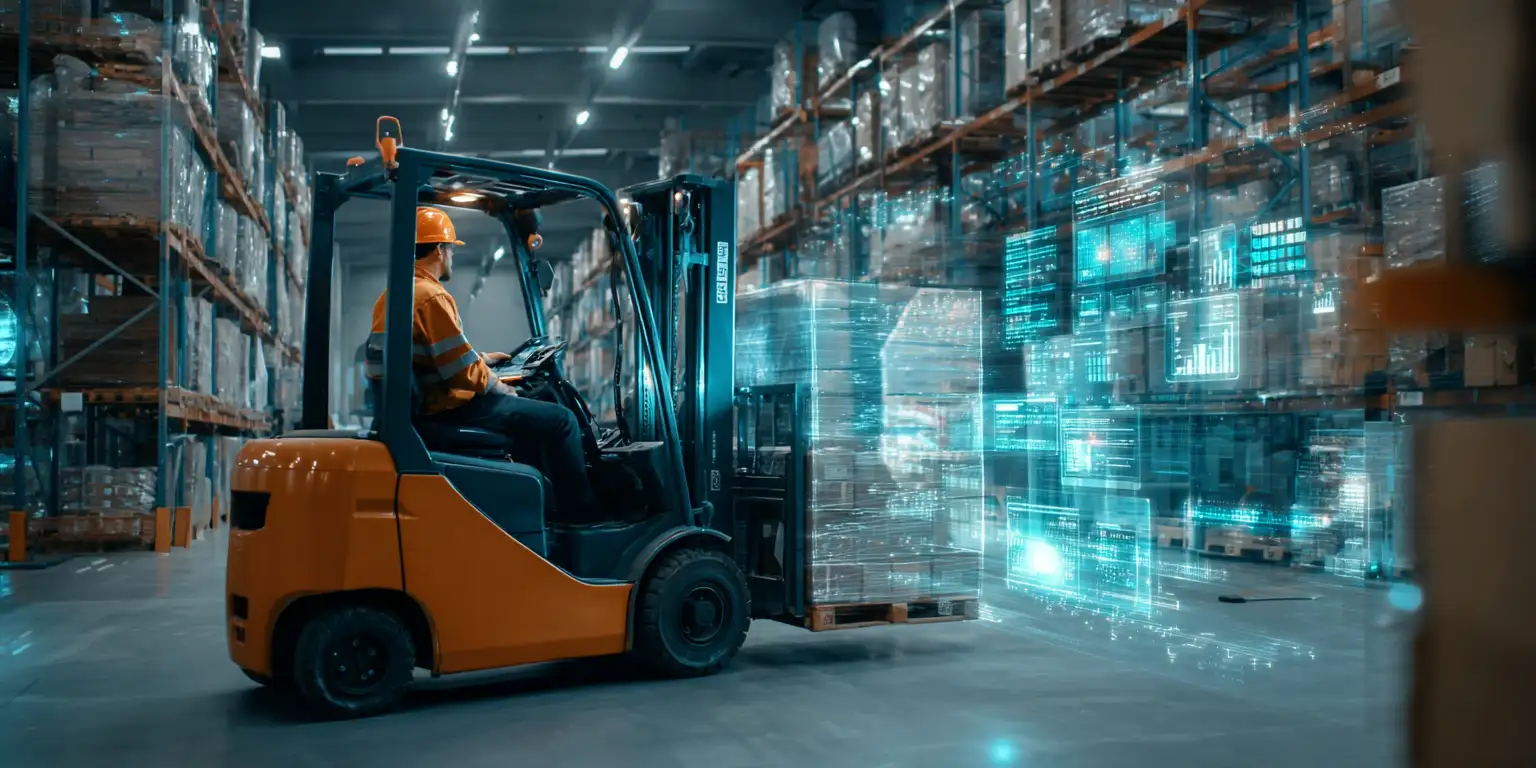
Digital Twins
Your entire operation rendered as an interactive digital twin, powered by spatially-aware simulation and real-time data integration.
Live view of all assets, people, and processes
Test changes before implementing in production
SoI defines operational boundaries and constraints
Interoperability
Understanding the difference between model interoperability and machine learning within Sim-OS.
Lightweight components that transform model outputs for downstream consumption.
Key: Deterministic, lightweight, interoperability layer
Machine learning models for pattern recognition, prediction, and generative reasoning.
Key: Intelligence layer, works with adapters for complex simulations

Distributed Simulation
Sim-OS orchestrates distributed simulations through HLA-based federations — where every participant, every shared object, and every state transition resolves to an eVa address. No entity exists outside the 5D coordinate system.
A Federation is a managed runtime that binds multiple simulation participants into a single coordinated execution. Each federation defines a shared object model, time management policy, and synchronization rules — all anchored to eVa addresses.
eVa Resolution
Federation → eva://<region>@<frame>/<session-time>@<sync-authority>/SIMULATION:<federation-id>A Federate is any participant in a federation — a model, sensor feed, AI agent, human-in-the-loop operator, or external system. Each federate publishes and subscribes to shared object classes and interactions, all resolved through eVa.
eVa Resolution
Federate → eva://<asset-xyz>@<frame>/<t>@<clock>/SIMULATION:<fed-id>/<federate-role>Lock Groups enforce deterministic state ownership across distributed simulations. When multiple federates interact with the same eVa-addressed entity, lock groups prevent race conditions and ensure authoritative state transitions.
eVa Resolution
Lock Region → eva://<bbox>@<frame>/<interval>@<authority>/SIMULATION:<lock-scope>The HLA (High Level Architecture) Manager orchestrates runtime infrastructure for distributed simulations. It manages RTI (Runtime Infrastructure) connections, time advance grants, and ensures all federation state is traceable through eVa addressing.
eVa Resolution
RTI Event → eva://<node>@<infra-frame>/<event-time>@<rti-clock>/SIMULATION:<fed-id>/hlaFrom the top-level federation session down to individual state updates, every element in a distributed simulation is addressable through the eVa 5D coordinate system. This ensures complete traceability, replay capability, and cross-federation interoperability.
Federation Session
Defines scope & FOM
HLA Manager
Manages RTI & time sync
Federates Join
Publish/subscribe objects
Lock Groups
Enforce state ownership
eVa Resolution
Every entity addressed in 5D
Key Insight: A federate modeling an autonomous vehicle in a joint theater exercise publishes position updates to eva://34.05,-118.24,12@WGS84/MET+04:22:15@SIM_CLOCK/SIMULATION:fed-001. Other federates — whether modeling logistics, communications, or threat analysis — subscribe to that same eVa region and receive updates in coordinated simulation time.
Distributed simulations require precise temporal coordination. The HLA Manager enforces time advance protocols while Lock Groups prevent conflicting state mutations — all anchored to eVa time authorities.
Because every federation participant resolves to eVa, simulations can bridge across organizational boundaries. Federation bridges connect separate simulation environments through shared eVa namespaces.
Workflow
Explore models and assets through MoE
Connect models from the library
Run across Mission Fabric™
Review simulation outcomes
Outputs
Structured reports supporting both human decision-makers and automated systems.
Applications
Sim-OS enables simulation across many domains.

Cascading failures in energy and transportation

Disruption analysis and route optimization
Operational scenarios and strategies

Climate systems and ecosystems

City infrastructure and population dynamics
Capabilities rarely found in a single platform:
As systems grow more interconnected, the ability to federate, synchronize, and simulate them before acting becomes essential. XRDNA Sim-OS provides the foundation for next-generation distributed modeling and simulation — where every entity resolves to an eVa address.